How to Choose Pyjamas for Different Climates: Staying Comfortable Year-Round
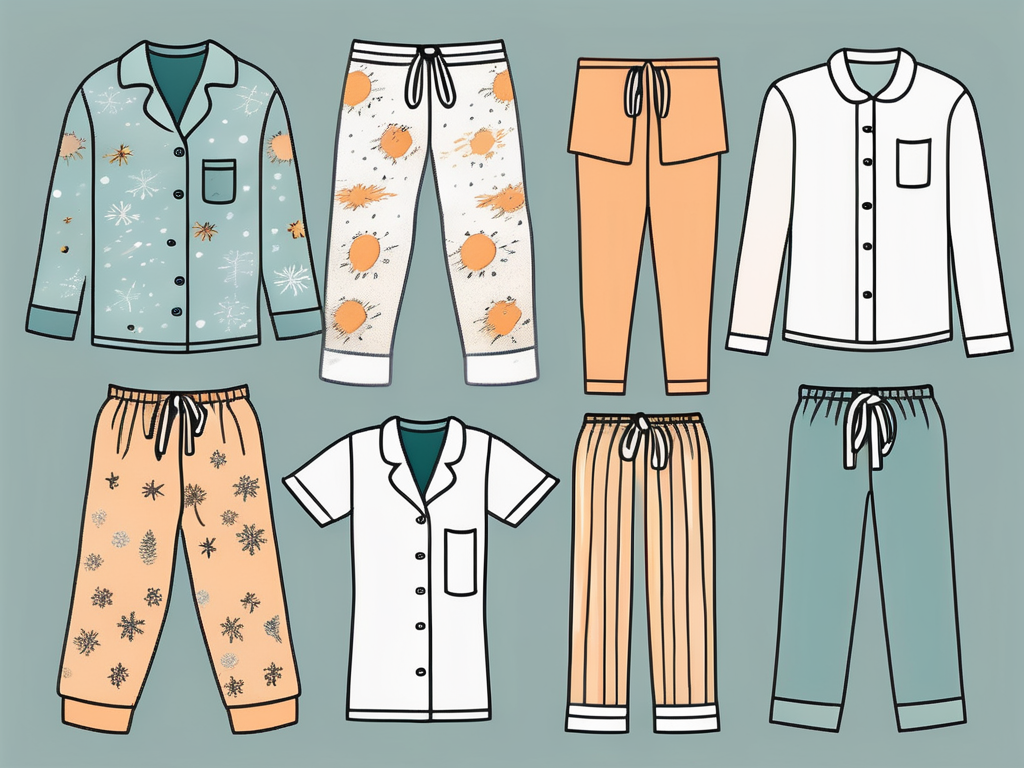
Choosing the right pyjamas for different climates is the key to staying comfortable year-round. Sleepwear plays a crucial role in regulating body temperature while we sleep, ensuring a good night's rest. Understanding the importance of climate-appropriate sleepwear and the science behind sleep and body temperature can help you make informed decisions when selecting pyjamas. Additionally, considering materials, layering options, and the fit of pyjamas can further enhance your sleep experience in varying climates. So, whether you live in a cold region, a warm tropical climate, or an area with fluctuating temperatures, here's a guide to help you choose the perfect pyjamas for your needs.
Understanding the Importance of Climate-Appropriate Sleepwear
When it comes to choosing sleepwear, it's crucial to consider the climate you live in. Sleep is an essential component of our overall well-being, and the right pyjamas can contribute significantly to a restful night. In colder climates, you need pyjamas that provide warmth and insulation, while in warmer climates, breathable and lightweight fabrics are essential to prevent overheating. By selecting climate-appropriate sleepwear, you can maintain a comfortable body temperature and promote better sleep quality.
The Science Behind Sleep and Body Temperature
Research suggests that body temperature plays a fundamental role in our sleep-wake cycle. As we fall asleep, our core body temperature naturally drops, reaches its lowest point during the night, and then starts to rise again as we wake up. This temperature fluctuation is a vital part of our circadian rhythm, which regulates our sleep patterns. By wearing pyjamas suitable for the climate, we can better support this natural temperature regulation process, leading to improved sleep.
Why Material Matters in Pyjama Selection
The choice of material is crucial when selecting pyjamas, especially when considering comfort and climate. Different fabrics have varying levels of insulation, breathability, and moisture-wicking properties. Natural fibers like cotton and bamboo, often preferred for their softness and breathability, are highly suitable for warmer climates, ensuring a cool and comfortable sleep. Conversely, materials like flannel and fleece offer excellent insulation, making them ideal for colder weather, trapping warmth effectively. Synthetic materials, such as polyester, can also be considered, particularly for their moisture-wicking properties, which help regulate body temperature and keep you comfortable throughout the night, especially when paired with innovative designs like block print pyjamas.
But did you know that the color of your sleepwear can also impact your sleep experience? It's true! The color of your pyjamas can affect your mood and even influence the quality of your sleep. For example, studies have shown that wearing blue sleepwear can help promote relaxation and a sense of calm, making it an excellent choice for those who struggle with falling asleep. On the other hand, vibrant colors like red or yellow can stimulate the brain and make it harder to wind down before bedtime. So, when selecting your sleepwear, consider not only the climate but also the color that will contribute to a peaceful slumber.
Additionally, the design and fit of your pyjamas can make a difference in your sleep comfort. Opt for loose-fitting sleepwear that allows for freedom of movement and doesn't restrict blood flow. Tight or constricting sleepwear can lead to discomfort and even disrupt your sleep. Look for designs that prioritize comfort, such as flat seams and tagless labels, to prevent any irritation or scratching that could keep you awake at night. Remember, the goal is to create an environment that promotes relaxation and tranquility, and your sleepwear plays a significant role in achieving that.
Choosing Pyjamas for Cold Climates
In cold climates, it's essential to choose pyjamas that provide adequate warmth and insulation. Layering is key to trapping body heat and keeping you cozy during chilly nights.
When selecting pyjamas for cold climates, consider not only the fabric but also the style and fit. Opt for loose-fitting pyjamas to allow for better air circulation, which can help regulate your body temperature. Tight-fitting clothing can restrict blood flow and make you feel colder. Additionally, choosing pyjamas with moisture-wicking properties can help keep you dry and comfortable throughout the night, especially if you tend to sweat while sleeping.
Fabrics Ideal for Cold Weather
When it comes to fabrics for cold weather pyjamas, look for those that offer superior insulation. Flannel, a soft and warm fabric, is an excellent choice. Its brushed surface traps air, creating a layer of warmth against your skin. Thermal knits and fleece are also popular options for cold weather sleepwear. These fabrics provide exceptional insulation while remaining comfortable and cozy.
Another fabric to consider for cold climates is merino wool. Merino wool is known for its excellent temperature-regulating properties, keeping you warm in cold weather and cool in warmer temperatures. It is also moisture-wicking and odor-resistant, making it a practical choice for pyjamas.
Layering Pyjamas for Extra Warmth
Layering is a versatile technique to stay warm in cold climates. It allows you to adjust your sleepwear according to your body's temperature and the surrounding environment. Start with a lightweight base layer made of moisture-wicking materials, such as silk or polyester. Over this, add a layer of flannel or fleece pyjamas. If the temperature drops further, consider wearing thermal socks and a robe to lock in extra warmth. Layering pyjamas not only provides insulation but also gives you the flexibility to adapt to changing temperatures throughout the night.
When layering pyjamas, pay attention to the quality of the garments to prevent bulkiness and discomfort. Opt for thin, breathable layers that effectively trap heat without adding unnecessary bulk. Additionally, consider investing in thermal underwear to wear as a base layer for maximum warmth and comfort. Remember, the key to staying warm in cold climates is not just the number of layers but also the quality and materials of the clothing you choose.
Selecting Pyjamas for Warm Climates
In warm climates, the focus is on selecting pyjamas that promote breathability and help regulate body temperature. Lightweight and cooling fabrics are key.

When considering pyjamas for warm climates, it's not just about the fabric but also the design and construction of the sleepwear. Look for features like mesh panels, vented areas, or strategic cutouts that enhance airflow and ventilation, contributing to a cooler night's sleep. These design elements can make a significant difference in how comfortable you feel during hot nights.
Breathable Fabrics for Hot Weather
When it's hot and humid, choosing pyjamas made of breathable fabrics is essential to stay cool and comfortable. Natural materials like cotton and bamboo are highly breathable and allow air circulation, preventing excessive sweating. These fabrics also absorb moisture, keeping you dry throughout the night. Additionally, linen is a popular choice for warm climates due to its exceptional breathability and moisture-wicking properties.
Another fabric to consider for warm climate pyjamas is modal, known for its softness and breathability. Modal is derived from natural beech tree fibers, making it a sustainable choice for eco-conscious consumers. The fabric drapes beautifully and feels light against the skin, perfect for hot nights when you want to feel comfortable and unrestricted.
The Role of Fit in Warm Climate Pyjamas
In warm climates, it's crucial to choose pyjamas with a loose and relaxed fit. Tight-fitting sleepwear can restrict airflow and cause discomfort. Opt for styles that are loose around the body, allowing air circulation and promoting ventilation. Lightweight and flowy fabrics can further enhance the breathability of the sleepwear, ensuring optimal comfort in warmer temperatures.
Additionally, consider pyjama sets with adjustable features like drawstring waistbands or elastic bands that allow you to customize the fit for maximum comfort. These adjustable elements not only add a practical touch but also ensure that your sleepwear moves with you as you sleep, preventing any constriction that may disrupt your rest.
Pyjamas for Variable Climates
Living in regions with fluctuating temperatures requires versatile sleepwear options that can adapt to changing climate conditions.
Adaptable Pyjama Options
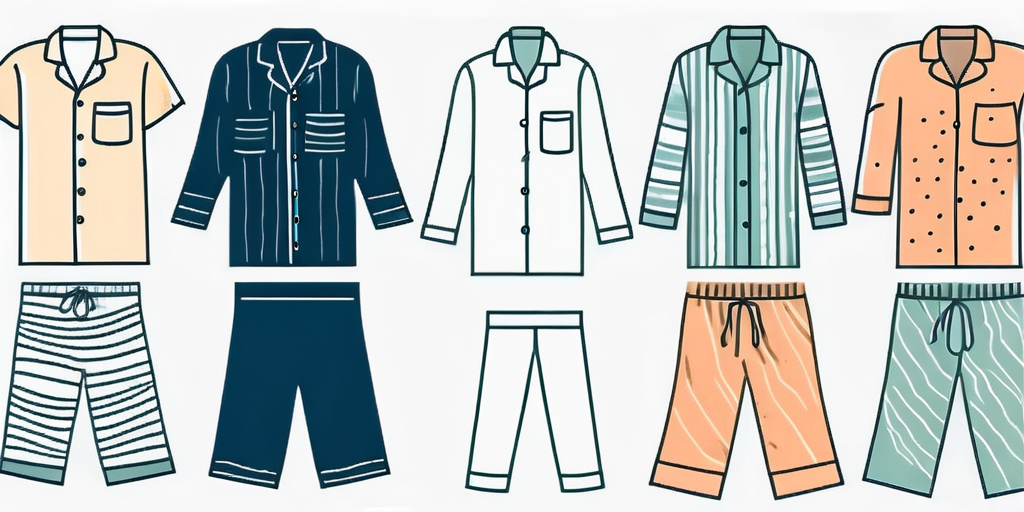
When your climate fluctuates, having pyjamas that can transition between cool and warm conditions is essential. Look for multi-piece pyjama sets that include both long-sleeved tops and shorts or pants. This way, you can easily adjust your sleepwear according to the changing weather. Lightweight fabrics like cotton or bamboo jersey are great choices for versatile sleepwear as they offer both breathability and coverage for cooler nights.
Transitioning Pyjamas Between Seasons
Transitioning sleepwear between seasons is possible with a few simple adjustments. In transitional periods, such as spring and autumn, layering is key. Start with a lightweight base layer and add or remove layers as needed. As the weather becomes warmer, switch to shorts or cooler fabrics. Conversely, as temperatures drop, layer up with long sleeves and warmer fabrics. By adapting your pyjamas to the changing seasons, you can ensure comfort no matter the weather.
Special Considerations for Pyjama Selection
Some individuals may have specific needs when it comes to pyjama selection. Night sweats and hot flashes are common concerns for many, and sensitive skin requires extra care.
Dealing with Night Sweats and Hot Flashes
For those experiencing night sweats and hot flashes, moisture-wicking fabrics are crucial. Look for pyjamas made of materials specifically designed to absorb moisture and keep you dry. Fabrics like bamboo and moisture-wicking polyester are excellent choices as they help regulate body temperature and dissipate sweat. Additionally, consider styles with strategic ventilation, such as mesh panels or loose weaves, to increase airflow and provide relief during hot flashes.
Pyjamas for Sensitive Skin
If you have sensitive skin, opt for pyjamas made of hypoallergenic materials. Fabrics like organic cotton or bamboo are gentle on the skin and less likely to cause irritation or allergies. Avoid sleepwear with harsh dyes or chemical finishes, as they can potentially irritate sensitive skin. It's also beneficial to choose pyjamas with flat seams and tagless labels to minimize friction and maximize comfort.
By considering your climate, understanding the science behind sleep and body temperature, and choosing appropriate materials and styles, you can select pyjamas that keep you comfortable year-round. Whether it's cold, warm, or variable climates, the right sleepwear can make a significant difference in your sleep quality and overall well-being. So, invest in pyjamas that allow you to snooze soundly, no matter the weather.
Comments
Post a Comment